Additives

Chemical laboratory glass

Active control.

Additive manufacturing at S2S-Systemdrucker GmbH

Pellet extrusion makes it possible to blend additives straight into the material. That gives you direct control over what is extruded – during or before the printing process.

Material properties can be changed deliberately, without relying on ready-made specialty filaments.

Properties
What's possible

Examples of additives you can use: colour masterbatches, blowing agents, fillers or functional additives (electrical, magnetic or thermal, for instance).

01 No minimum quantities
02 Fast adjustment
03 Ideal for R&D
Request advice

Blending additives live.

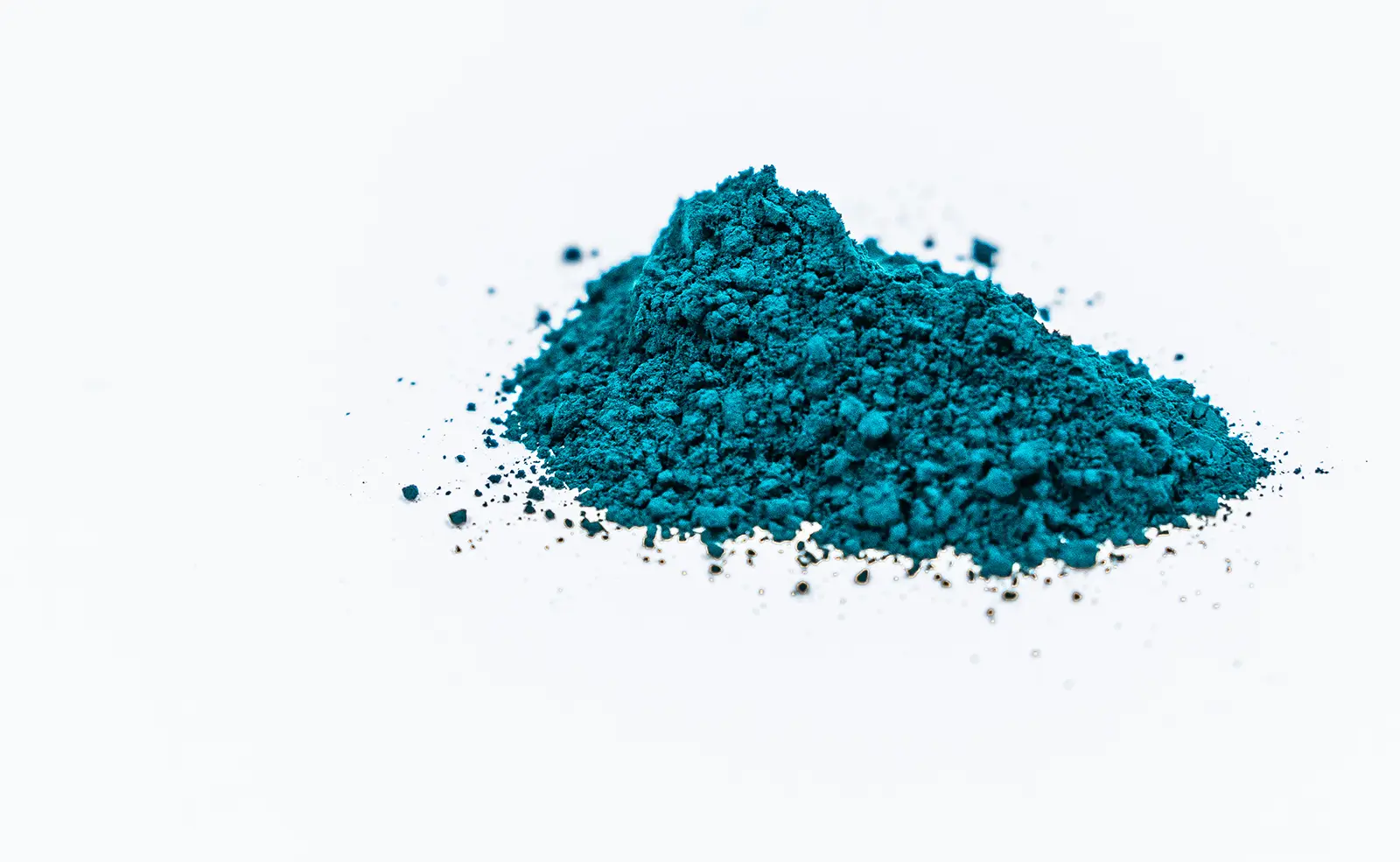
Colour powders for gradients, blowing agents for foamed zones, silver particles for antibacterial surfaces: Jonas shows what can be blended in at the print head and which parts only become possible as a result. The video is in German.

Application · Printing material blends and additives

High flexibility for material experiments and small series.

Typical uses: functional prototypes with specific properties, material and process development, customer-specific compounds, plus multi-material and gradient structures.

Fields of application

Functional samples
R&D
Compounds
Gradients

Compounds, masterbatch and what works live

Compound or masterbatch?

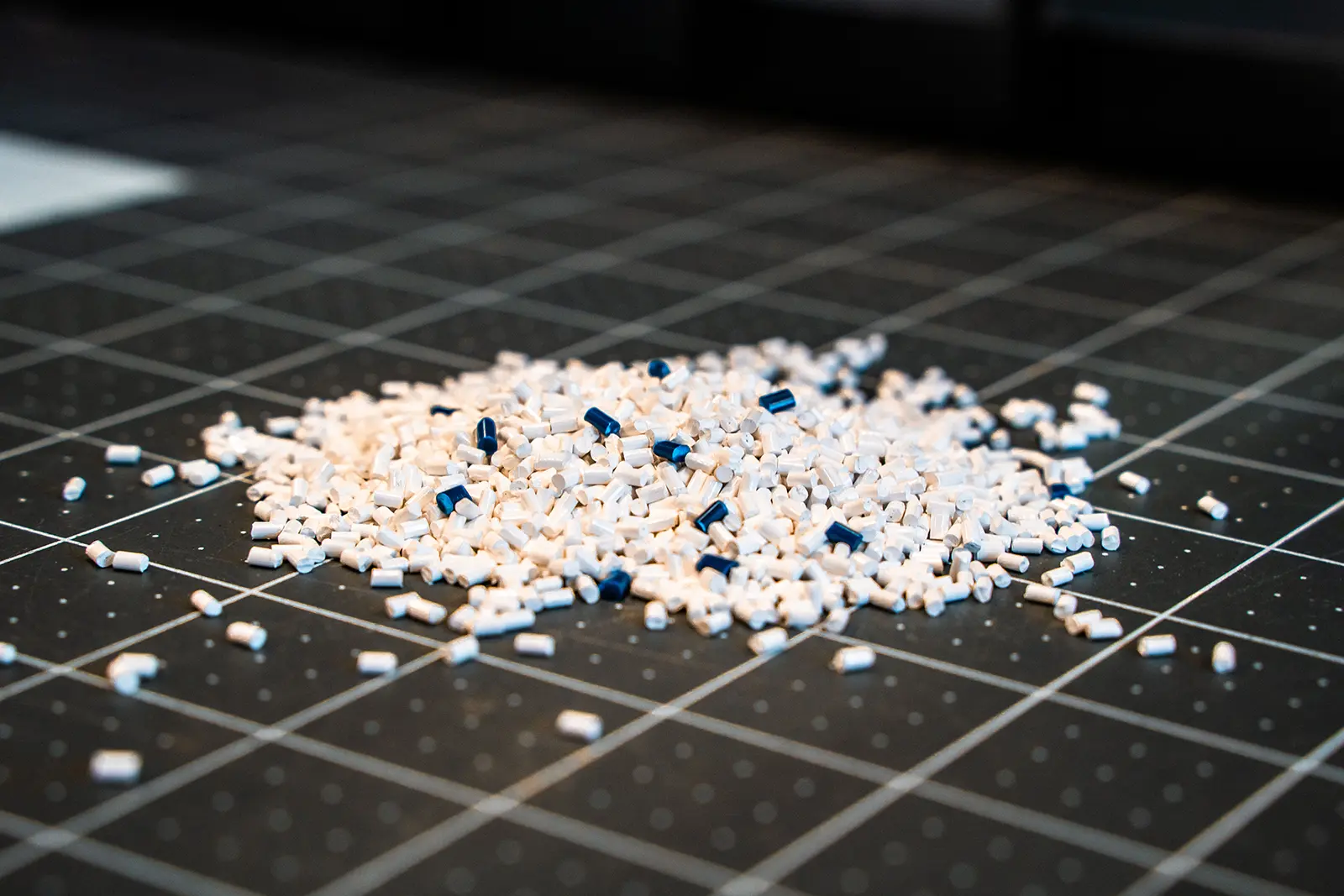
Both get additives into the plastic, but at different points in the process. A compound is mixed ready to use: the additive is already in the pellets, at the concentration meant to end up in the part. A masterbatch is a concentrate that is added to the base material only during processing.

For 3D printing the difference is decisive, because we extrude straight from the pellets. We can process both – the masterbatch even during the print.

Blending in live instead of mixing beforehand

Our machines can feed additives into the material stream while the process is running. That sounds like a detail, but it changes what is possible within a part:

  • Colour changed without changing the material.
  • Blowing agent dosed in to create foamed, lighter sections.
  • Fillers and fibres introduced where the part needs stiffness.
  • Functional additives such as antibacterial agents placed specifically at the surface.

Hard and soft zones in one part

Because the blend can be changed during the print, the transition happens inside the part itself – no two-shot tool, no assembly. A sole that is hard on the running side and becomes soft towards the foot is one part, not an assembly.

In orthopaedic technology that is the practical benefit: insoles, orthoses and supports need exactly those transitions. What that looks like in practice is shown in our article on additive manufacturing in orthopaedic technology.

Regrind and recyclate

The same technique makes it possible to blend in recyclate instead of processing it separately. Failed prints and sprues can be ground up and fed back in as a share of the feedstock. There is more on this under plastic pellets in 3D printing and in the article on regrind in 3D printing.