Ceramics

White modern ceramic structure

Economical & functional.

Ceramic parts

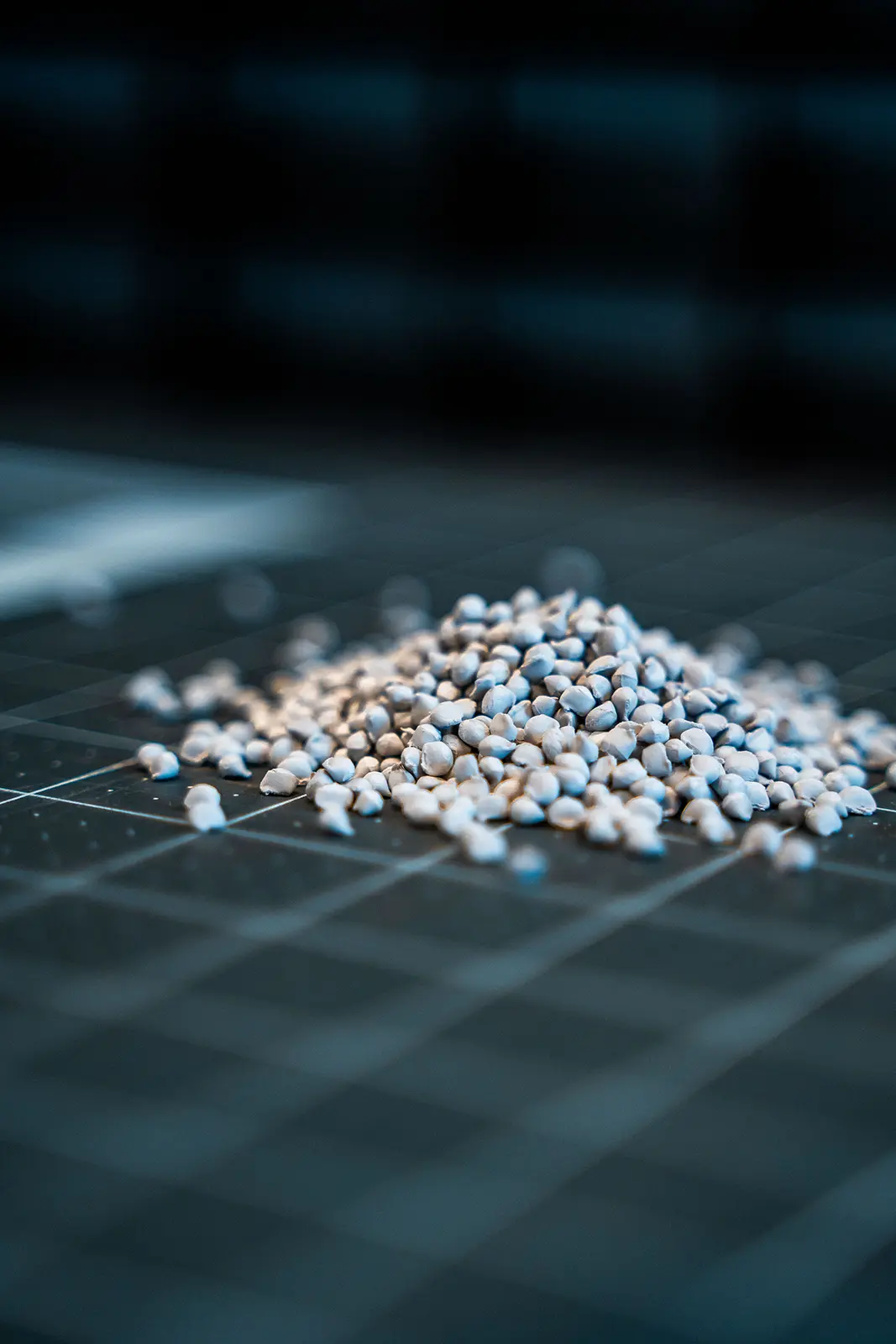
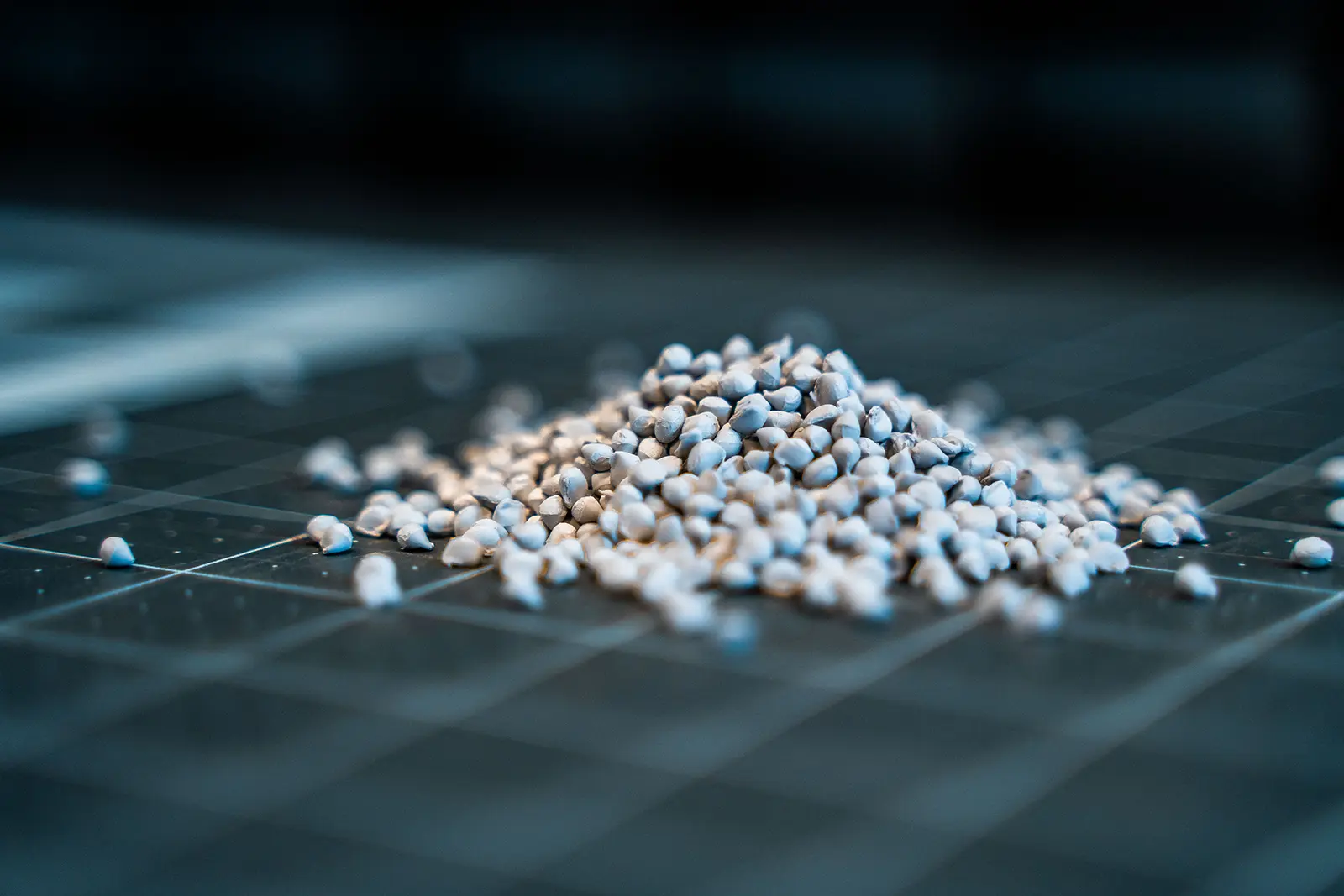
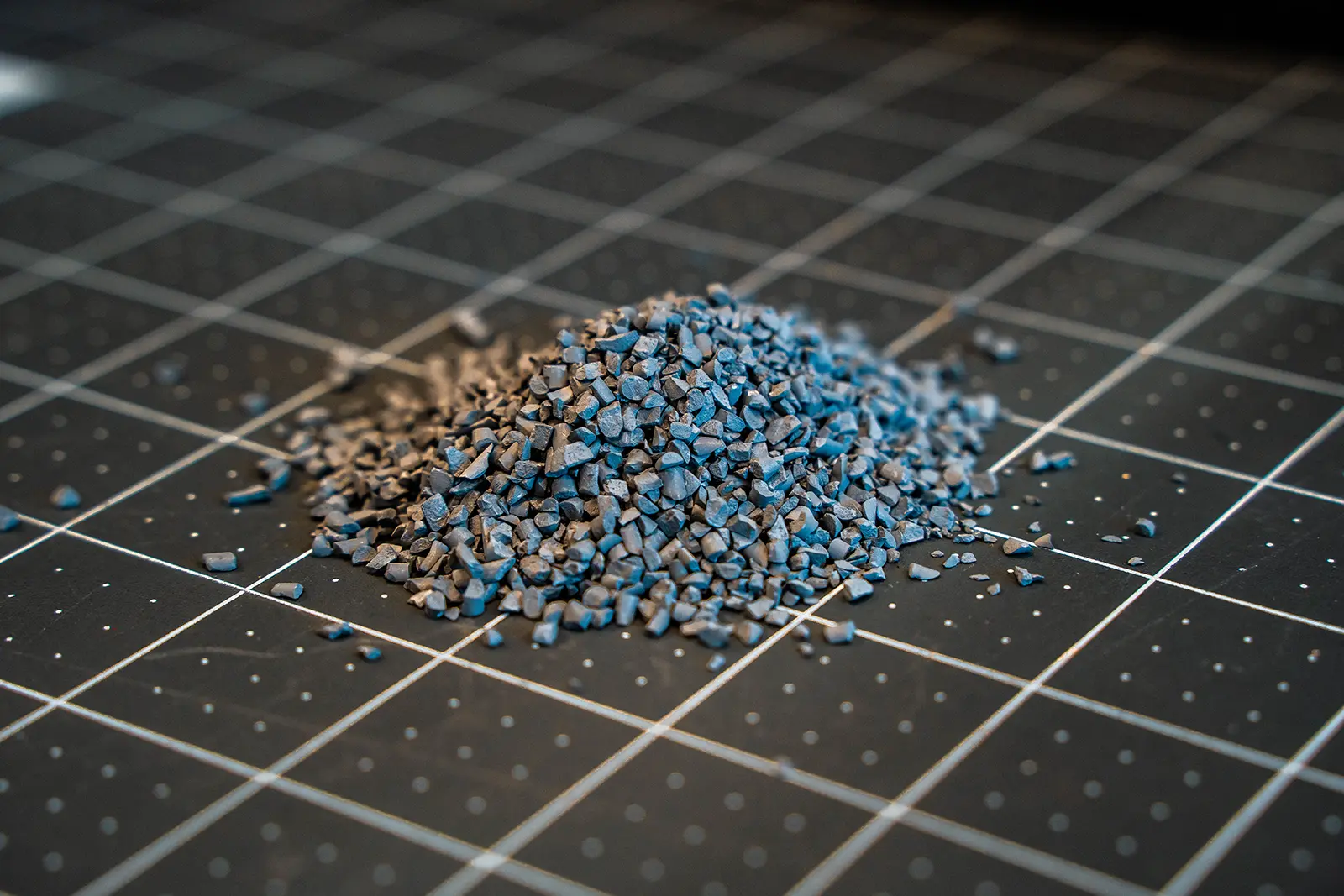
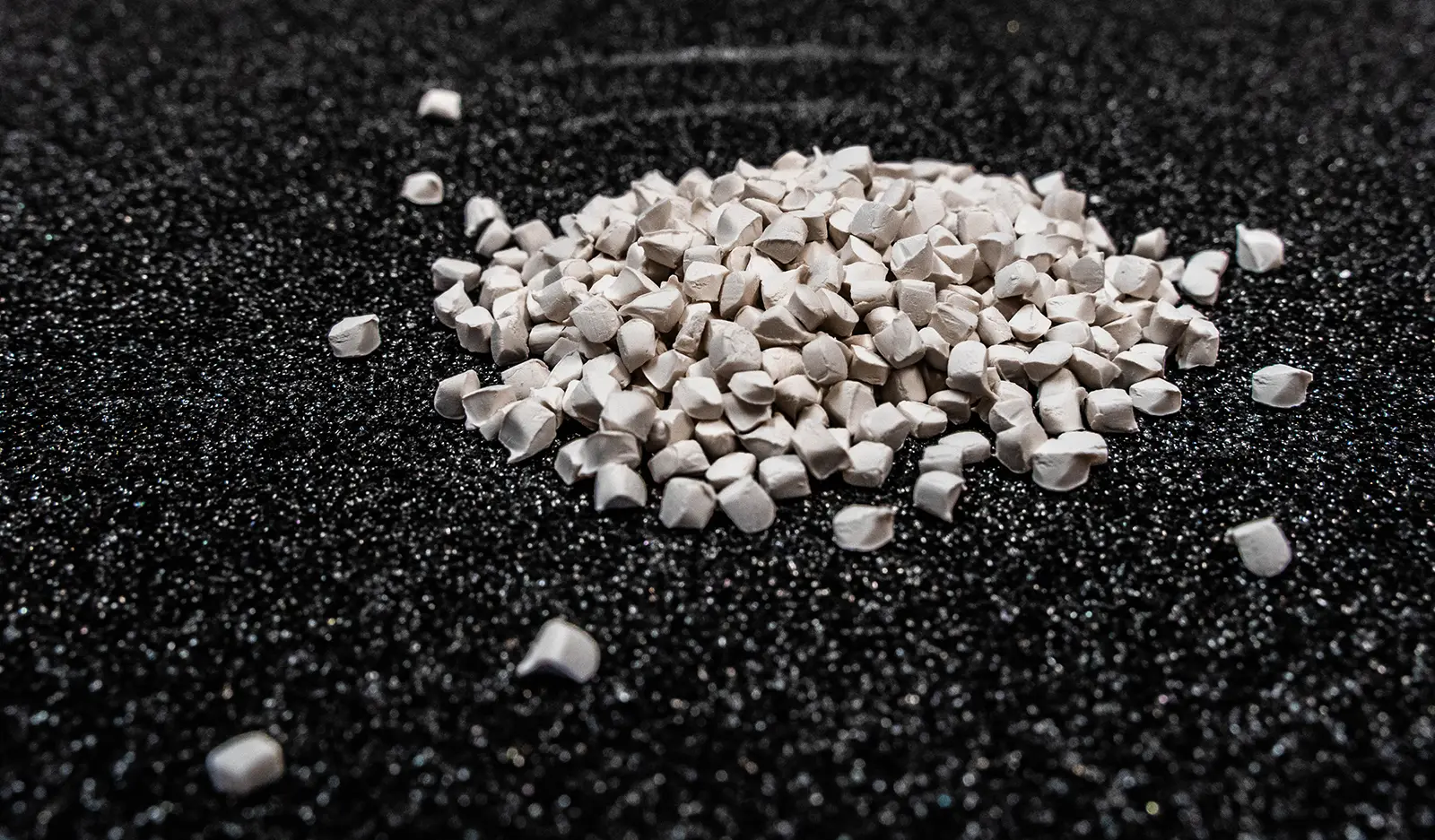
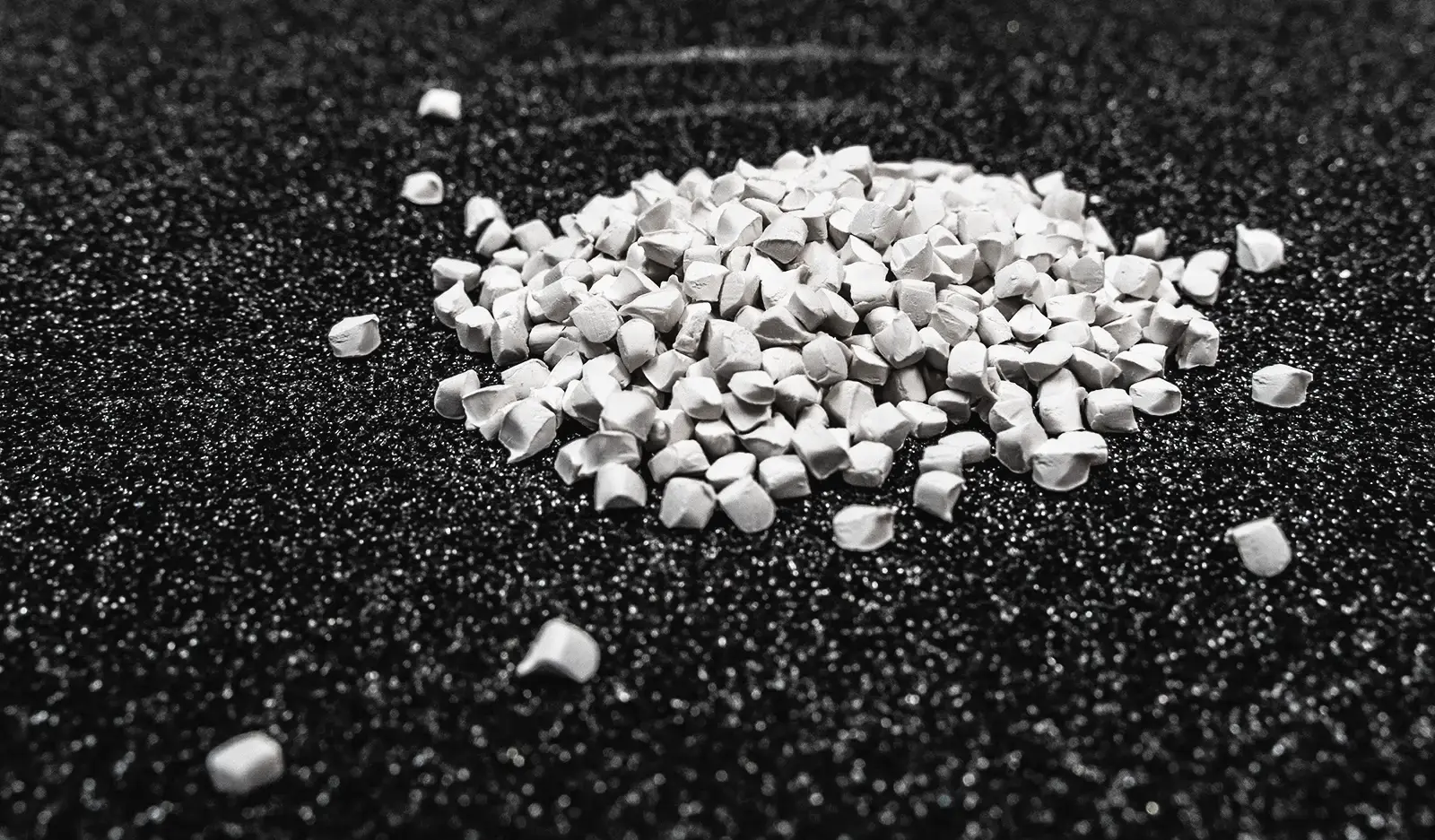
We process polymer-bound ceramic pellets for the additive manufacturing of highly functional parts. The pellet-based approach makes working with ceramic materials economical, flexible and appropriate to the material.

Inorganic
Process chain

We are expanding our capacity: bringing ceramic post-processing in-house, plus our own material development and optimisation.

01 Debinding & sintering in-house
02 Material development
Start a project

Printing technical ceramics instead of grinding them.

Using a watch case as an example: what a near-net-shape green part saves compared with grinding from solid – and how debinding and sintering turn the printed part into a fully dense ceramic part. The video is in German.

The process explained · Printing technical ceramics instead of grinding them

Polymer-bound ceramics consist of ceramic powder and a binder.

Printing takes place in the green state. Debinding (chemical or thermal) and sintering then turn the part into a dense ceramic component.

Benefits: near-net-shape production, less material waste and freedom of geometry.

Benefits & process

Near-net-shape
Resource-efficient
Design freedom
High performance

Printing, debinding and sintering ceramics

From the idea to a sintered part

We process ceramics for 3D printing as polymer-bound compounds. The pellets consist of ceramic powder in a polymer matrix, which means they can be run on a pellet extruder like an engineering plastic. What comes afterwards is what sets ceramic printing apart from every other process.

  1. Compound. Ceramic powder bound in a polymer matrix.
  2. Print the green part. The part is built near net shape and still clearly larger than its final dimensions.
  3. Debinding. The polymer matrix is driven out. We do this in house, with technical support from ifw Jena.
  4. Sintering. The part densifies to 98 to 99 per cent of theoretical density and shrinks as it does so. The furnace schedule depends on the material.

Compared with ceramic filament, the pellets carry a higher inorganic content: more ceramic powder, less binder. That pays off during sintering – less matrix has to be driven out, the part shrinks less, and the achievable sintered density is higher.

Debinding and sintering happen in house, not at a third party. That shortens the feedback loop when a part does not come out right first time.
Design rules that decide the outcome

Ceramics forgive less than plastics. The following points decide whether a part survives the sintering process:

  • Minimum wall thickness 0.8 mm. Below that the green part becomes too fragile.
  • Even wall thicknesses. This is the most important rule. If the wall thickness jumps within the part, it shrinks unevenly and either distorts or cracks.
  • Solid up to roughly 15 mm. Thicker sections are possible, but then with a low infill rather than fully solid.
  • Radii are uncritical. Here you have more freedom than in many other processes.
  • Simple, functional geometries. It gets difficult where a lot of support material would be needed – pellet printing allows only limited retraction, which is why delicate free-form shapes are not its strength.

Part size limits us less than wall thickness does. Ceramic parts are typically up to around 15 centimetres.

Two routes to a ceramic part

Have it produced. You send us your geometry; we print, debind and sinter. The calculator gives you a first indicative price, and the details are settled through our 3D printing contract manufacturing.

Print it yourself. The KeraPrint is built for abrasive compounds. As a Nabertherm dealer we supply the furnaces for debinding and sintering along with it, so the process chain comes from one source.

Most customers take both routes one after the other: first have a part produced by us, and once the material and the process hold up, decide on a machine of their own.

Explore more.

Jonas Siegrist, Managing Director and Head of Development
Your contact

Jonas Siegrist

Managing Director and Head of Development

Whether your part can be printed in ceramics comes down to a few points. Send me the geometry and I will tell you within 24 hours what is realistic.