
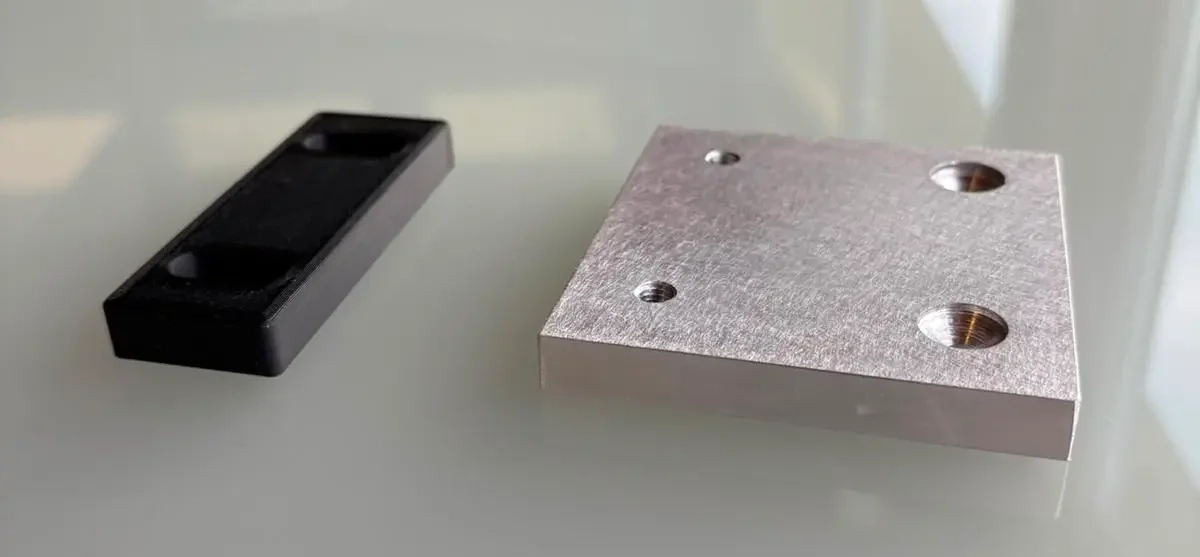
When people talk about additive manufacturing, many think first of complex geometries, prototypes or high-tech applications. In practice, however, it often turns out that the greatest economic advantages arise with very simple parts. A recent project from our 3D printing contract manufacturing is a good example.
The starting point: simple aids in day-to-day work
Our customer is a traditional trade business working in wood and metal. In their daily workflow they regularly need spacers, wedges and assembly aids. These are not particularly complex parts but often simple plastic components with defined dimensions or individual holes. Even so, these components are indispensable to their daily work.
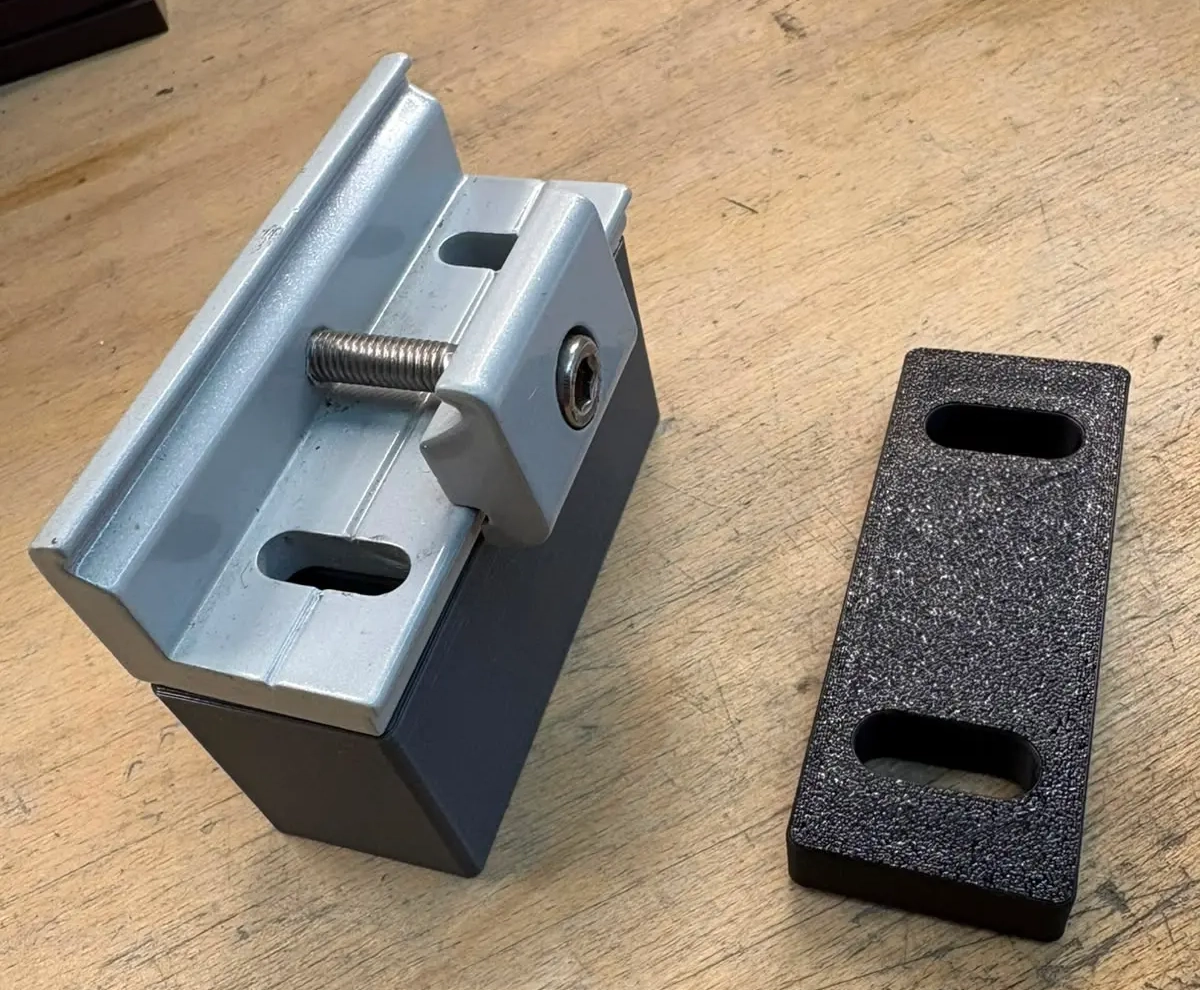
The challenge: many variants, small quantities
The challenge was that these aids are needed in many different variants. Sometimes a spacer 10 millimetres thick is required, sometimes 20 or 30 millimetres. On top of that come various versions with retaining pins or special geometries for particular assembly situations. Producing each part by hand from solid material would be possible, but over the course of a year it would take up a considerable amount of time.
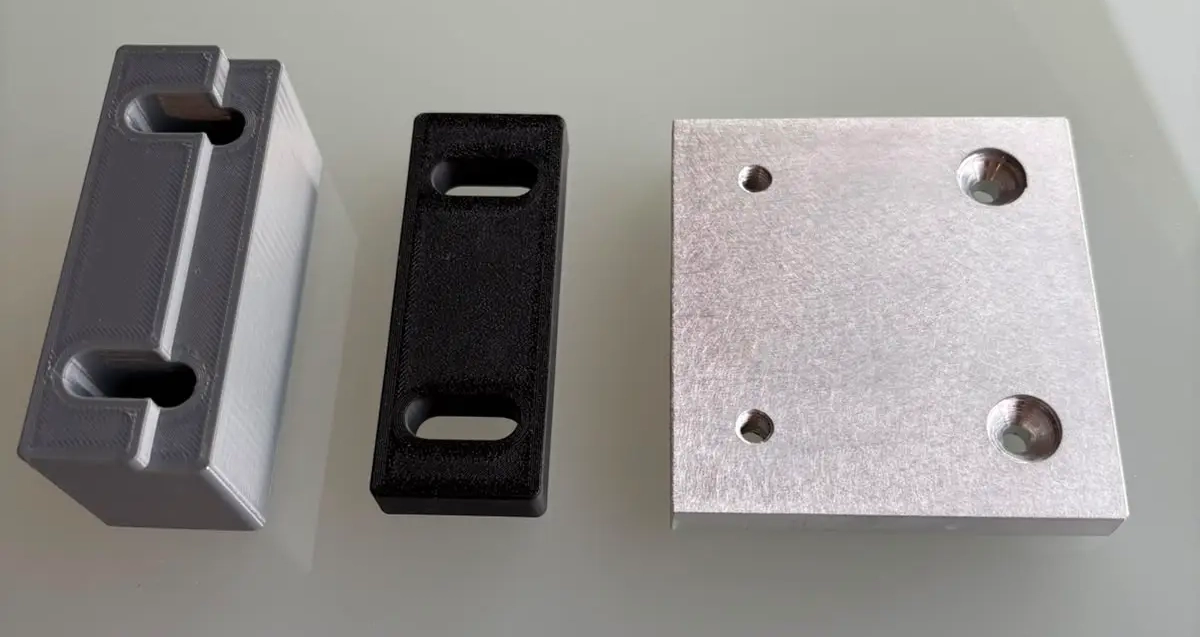
The solution: material and print parameters matched to the job
This is precisely where additive manufacturing plays to its strengths. Together with the customer we first defined the requirements. Alongside the dimensions needed, the loads the parts would see in use and the desired colour were the main considerations. On that basis we selected the right material and set the print parameters accordingly. Factors such as wall thicknesses, infill and part structure were specified by us to create a solution that is both economical and robust.
Economical with no tooling costs
Over the course of a year the customer needs around 1,000 of these parts. Quantities like these often fall into a range where neither conventional manufacturing processes nor injection moulding make economic sense. Tooling costs would be too high for injection moulding, while manual production would involve a considerable amount of labour. 3D printing closes exactly that gap and makes economical production possible without tooling costs.
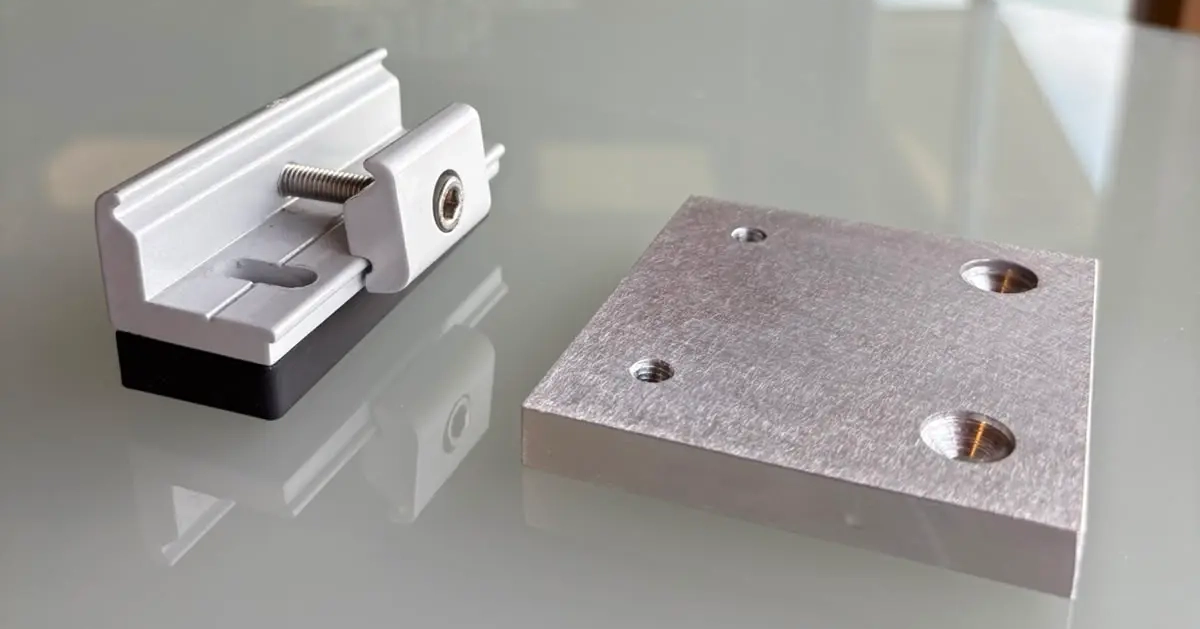
Maximum flexibility in ongoing production
The flexibility is particularly interesting. Adjustments can be made at any point while the order is running. If the customer needs a different variant or additional quantities at short notice, these can be delivered without new tooling or long lead times. Changes to dimensions or geometries can be taken straight into production.
For this project we currently produce around 100 parts a week and deliver them continuously. That allows the customer to cover their needs flexibly without building up large stocks. At the same time there is always the option to call off additional parts or adapt particular variants as required.
Conclusion: when simple parts deliver the greatest benefit
This project shows nicely that additive manufacturing does not always require complicated parts. The greatest benefit often arises with simple components that are needed regularly and whose production by conventional means would take a disproportionate amount of time or effort. Local production, short response times and economical unit costs make 3D printing an attractive solution for many small and medium-sized businesses in cases like these.