Rapid prototyping in the production material

Functional prototype from pellet-based printing

A prototype that behaves like the production part.

Functional prototype from pellet-based printing

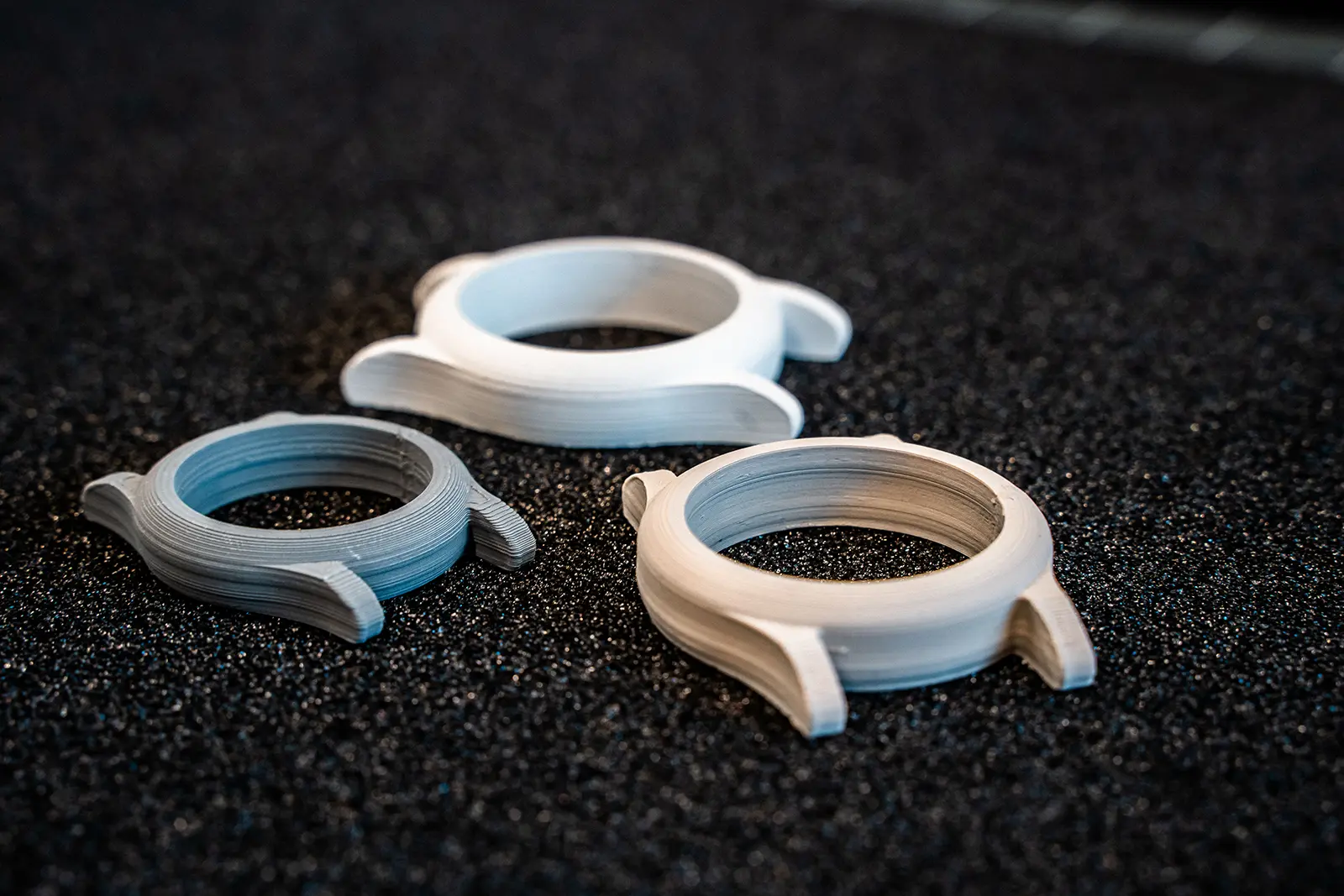
We print prototypes from the same pellets the production run will later be made from. That lets you load a part, install it and measure it – instead of only looking at it.

Because there are no tooling costs, the second and third iteration cost material and print time, and nothing else.

01
Calculate an indicative price

Processes, materials, how it runs

What rapid prototyping delivers today

A prototype is there to show whether an idea will carry. That used to mean a model that looked like the part but did not behave like it. With pellet-based extrusion that distinction disappears, because we print from the same material the production run will later be made from.

Functional prototypes in the production material

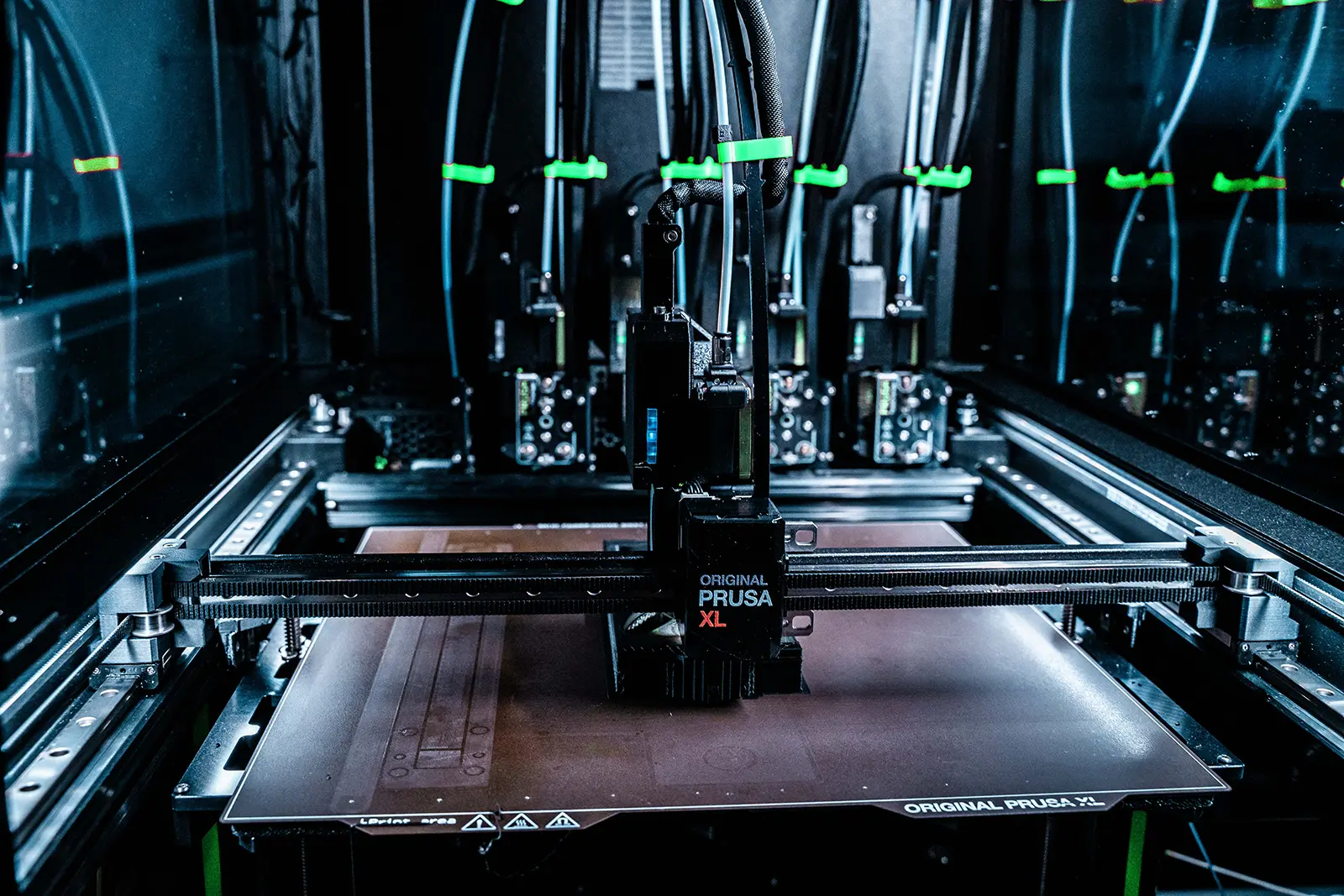
This is the point at which a prototype stops being a display model. Our pellet extruder processes injection-moulding pellets directly: the same PA, PP or PPS that will later come out of the tool. A part printed this way can be loaded, installed and measured rather than merely inspected.

Added to that are fibre-reinforced compounds such as PPS-CF and PA-CF, regrind, and compounds with additives blended in. So if you intend to injection-mould in the end, you check the geometry beforehand in the right material – not in a substitute that behaves differently.

Processes and materials

  • FGF, pellets: production materials, regrind, our own compounds. Build volume up to 300 × 300 × 300 mm, tolerance ± 0.1 mm.
  • FFF, filament: engineering plastics, build volume up to 360 × 360 × 360 mm, tolerance ± 0.1 mm.
  • Ceramics: polymer-bound compounds, debound and sintered – see technical ceramics in 3D printing.
  • SLA through a partner: when fine detail matters, tolerance ± 0.02 mm.

Iterations instead of one attempt

The value of a prototype lies in the second and third round. Because there are no tooling costs, a change costs only material and print time. Send us the revised file and the next version runs. We reply to enquiries within 24 hours.

From prototype to small series

Once the geometry is right, nothing has to be changed over: the same machine, the same material, just more parts on the build plate. A single piece is possible too; up to roughly 1,000 parts per order makes economic sense, and spread over a year considerably more. From around 10,000 parts a simple aluminium tool or vacuum casting becomes cheaper – and we will tell you so.

There is more on this under 3D printing services and contract manufacturing.

What it costs

Upload your STL or STEP file to the calculator and you have an indicative price in two minutes. We quote the binding price after the technical review, together with an assessment of whether the geometry is printable as it stands.

Rapid prototyping at S2S

How quickly will I get a prototype?

With FFF and FGF, production starts as soon as you approve. We state the date in the quotation and reply to enquiries within 24 hours. Stereolithography through our partner takes longer.

Which file formats do you need?

STL and STEP. We only handle OBJ in exceptional cases.

Can I have the prototype produced in series later on?

Yes, with no changeover: the same machine, the same material, just more parts on the build plate. From around 10,000 parts, however, a simple aluminium tool or vacuum casting is usually the better option.

Will you treat my data confidentially?

Yes. We will sign a non-disclosure agreement on request before you send us any part data.

Jonas Siegrist, Managing Director and Head of Development
Your contact

Jonas Siegrist

Managing Director and Head of Development

Send me your geometry as STL or STEP. Within 24 hours you will have an assessment of whether it is printable as it stands – and which material will come closest to the behaviour of the later production part.